Meet Our Team
Here to support you
Clinic Director
Clinic Director
Sarvin
Add breakpoints to your blank page, then drop sections to have them responsive out of the box.
Get Started
Learn More
Sarvin Sabet Ghadam
C.Psych Associate, Certified Medlegal, C-CAT (MB)

“As long as we feel safely held in the hearts and minds of the people who love us, we will climb mountains and cross deserts and stay up all night to finish projects".
Bessel van der Kolk, M.D., The Body Keeps the Score
My path into psychology began long before I understood that it would become my profession. Growing up in Iran, I was deeply drawn to literature, painting, calligraphy, philosophy, and music. My habit of reading began when I was around ten years old. I would spend time at cultural centres taking painting and calligraphy classes, and almost every visit ended with me bringing home a new book to read. By my teenage years, music, classical literature, and philosophy had become an important part of my inner world. I could spend hours listening to classical music, playing setar, reading, and thinking about philosophical questions surrounding human existence. At that point in my life, I imagined that I would eventually pursue art or literature at university.
When I was seventeen, a deeply personal experience changed the direction of my life and led me toward clinical psychology. Yet, looking back, I do not see psychology as a departure from the path I had originally imagined. I was drawn to clinical psychology partly because of its deep connection with philosophy and its attempt to understand human experience, suffering, relationships, meaning, and the complexity of the mind. In many ways, the questions remained the same; only the discipline through which I began exploring them changed.
Over the past twenty years, I have built my professional life in psychology across different countries, institutions, and clinical settings. My earlier professional experiences in Iran included working in settings such as the Red Cross and correctional facilities. These experiences exposed me to people from very different backgrounds and deepened my understanding of psychological distress within broader social, cultural, and institutional contexts.
After immigrating to Canada, I continued developing my clinical career and became registered as a Psychological Associate in Ontario in 2019. My work has since expanded considerably within psychological assessment, treatment, rehabilitation, and medical-legal practice. I provide psychological treatment and independent medical examinations, with extensive experience working with individuals affected by motor vehicle accidents, trauma, disability, and complex psychological and functional presentations.
Medical-legal assessment has become another significant dimension of my professional work. As a certified medical-legal evaluator and a member of CAPDA (Canadian Academy of Psychologists in Disability Assessment) and CSME (Canadian Society of Medical Evaluators), I conduct Catastrophic Impairment assessments and third-party psychological examinations. This work requires the integration of clinical knowledge with careful consideration of psychological functioning, disability, causation, prognosis, and the complex interaction between psychological and physical conditions.
At the same time, I have never viewed professional development as something that reaches a final point. I continue to expand my academic work in areas that bring me closer to questions that have interested me throughout my life. I am currently pursuing a doctoral degree in Clinical Neuropsychology at Adler University while simultaneously pursuing a graduate degree in Clinical Psychopharmacology at The Chicago School, with my academic pursuits supported by scholarships. Together, these disciplines allow me to approach psychological experience from multiple levels—from brain systems, neuropsychological functioning, and biological processes to development, relationships, subjective experience, and the unconscious.
Research has increasingly become central to this direction. At Sarvin Sabet Psychological Services, I lead our research initiatives, exploring different areas of psychological practice as well as the relationship between neuroscience and psychoanalytic and psychodynamic thought. Our research also examines the therapeutic modalities used within our practice, including cognitive behavioural therapy, behavioural therapy, psychodynamic psychotherapy, and EMDR, with the aim of developing a stronger evidence-based understanding of their application and effectiveness in clinical settings.
My own research interests are particularly situated at the intersection of neuroscience and psychoanalysis. I am fascinated by what becomes possible when contemporary knowledge of the brain is placed in conversation with more than a century of psychoanalytic observation about unconscious processes, emotion, attachment, memory, conflict, trauma, and human relationships. I do not view neuroscience and psychoanalysis as opposing ways of understanding people. Rather, I am interested in the possibilities that emerge when each is allowed to question, challenge, and inform the other.
At forty-five, another part of my earlier life has also returned. I have begun playing daf, reconnecting with music after many years in which my clinical, professional, and academic life occupied much of my attention. This return to music feels less like beginning something new and more like finding my way back to something that had always remained part of me.
Perhaps for that reason, my longer-term vision extends beyond a traditional psychological practice. My eventual goal is to establish a cultural and intellectual centre where psychology, psychoanalysis, neuroscience, music, art, literature, and philosophy can exist in conversation with one another. I imagine a space where music and art are not merely decorative additions to psychological work, but integral parts of a broader exploration of human experience—a place for psychoanalytic groups, artistic and musical experiences, cultural and intellectual dialogue, and thoughtful exploration of creativity, the brain, the unconscious, relationships, and the ways in which we make meaning of our lives.
In many ways, I find myself returning to the interests of the ten-year-old who carried books home from cultural centres and the teenager who spent hours with music, literature, philosophy, and setar. The difference is that I now return to those questions after two decades of clinical work and with the perspectives of a clinician, medical-legal evaluator, researcher, doctoral student, and lifelong learner.
For me, psychology, neuroscience, psychoanalysis, philosophy, literature, and music have never been entirely separate pursuits. They are different languages through which we attempt to approach the same enduring and perhaps inexhaustible question: what does it mean to understand another human being?
“As long as we feel safely held in the hearts and minds of the people who love us, we will climb mountains and cross deserts and stay up all night to finish projects".
Bessel van der Kolk, M.D., The Body Keeps the Score
My path into psychology began long before I understood that it would become my profession. Growing up in Iran, I was deeply drawn to literature, painting, calligraphy, philosophy, and music. My habit of reading began when I was around ten years old. I would spend time at cultural centres taking painting and calligraphy classes, and almost every visit ended with me bringing home a new book to read. By my teenage years, music, classical literature, and philosophy had become an important part of my inner world. I could spend hours listening to classical music, playing setar, reading, and thinking about philosophical questions surrounding human existence. At that point in my life, I imagined that I would eventually pursue art or literature at university.
When I was seventeen, a deeply personal experience changed the direction of my life and led me toward clinical psychology. Yet, looking back, I do not see psychology as a departure from the path I had originally imagined. I was drawn to clinical psychology partly because of its deep connection with philosophy and its attempt to understand human experience, suffering, relationships, meaning, and the complexity of the mind. In many ways, the questions remained the same; only the discipline through which I began exploring them changed.
Over the past twenty years, I have built my professional life in psychology across different countries, institutions, and clinical settings. My earlier professional experiences in Iran included working in settings such as the Red Cross and correctional facilities. These experiences exposed me to people from very different backgrounds and deepened my understanding of psychological distress within broader social, cultural, and institutional contexts.
After immigrating to Canada, I continued developing my clinical career and became registered as a Psychological Associate in Ontario in 2019. My work has since expanded considerably within psychological assessment, treatment, rehabilitation, and medical-legal practice. I provide psychological treatment and independent medical examinations, with extensive experience working with individuals affected by motor vehicle accidents, trauma, disability, and complex psychological and functional presentations.
Medical-legal assessment has become another significant dimension of my professional work. As a certified medical-legal evaluator and a member of CAPDA (Canadian Academy of Psychologists in Disability Assessment) and CSME (Canadian Society of Medical Evaluators), I conduct Catastrophic Impairment assessments and third-party psychological examinations. This work requires the integration of clinical knowledge with careful consideration of psychological functioning, disability, causation, prognosis, and the complex interaction between psychological and physical conditions.
At the same time, I have never viewed professional development as something that reaches a final point. I continue to expand my academic work in areas that bring me closer to questions that have interested me throughout my life. I am currently pursuing a doctoral degree in Clinical Neuropsychology at Adler University while simultaneously pursuing a graduate degree in Clinical Psychopharmacology at The Chicago School, with my academic pursuits supported by scholarships. Together, these disciplines allow me to approach psychological experience from multiple levels—from brain systems, neuropsychological functioning, and biological processes to development, relationships, subjective experience, and the unconscious.
Research has increasingly become central to this direction. At Sarvin Sabet Psychological Services, I lead our research initiatives, exploring different areas of psychological practice as well as the relationship between neuroscience and psychoanalytic and psychodynamic thought. Our research also examines the therapeutic modalities used within our practice, including cognitive behavioural therapy, behavioural therapy, psychodynamic psychotherapy, and EMDR, with the aim of developing a stronger evidence-based understanding of their application and effectiveness in clinical settings.
My own research interests are particularly situated at the intersection of neuroscience and psychoanalysis. I am fascinated by what becomes possible when contemporary knowledge of the brain is placed in conversation with more than a century of psychoanalytic observation about unconscious processes, emotion, attachment, memory, conflict, trauma, and human relationships. I do not view neuroscience and psychoanalysis as opposing ways of understanding people. Rather, I am interested in the possibilities that emerge when each is allowed to question, challenge, and inform the other.
At forty-five, another part of my earlier life has also returned. I have begun playing daf, reconnecting with music after many years in which my clinical, professional, and academic life occupied much of my attention. This return to music feels less like beginning something new and more like finding my way back to something that had always remained part of me.
Perhaps for that reason, my longer-term vision extends beyond a traditional psychological practice. My eventual goal is to establish a cultural and intellectual centre where psychology, psychoanalysis, neuroscience, music, art, literature, and philosophy can exist in conversation with one another. I imagine a space where music and art are not merely decorative additions to psychological work, but integral parts of a broader exploration of human experience—a place for psychoanalytic groups, artistic and musical experiences, cultural and intellectual dialogue, and thoughtful exploration of creativity, the brain, the unconscious, relationships, and the ways in which we make meaning of our lives.
In many ways, I find myself returning to the interests of the ten-year-old who carried books home from cultural centres and the teenager who spent hours with music, literature, philosophy, and setar. The difference is that I now return to those questions after two decades of clinical work and with the perspectives of a clinician, medical-legal evaluator, researcher, doctoral student, and lifelong learner.
For me, psychology, neuroscience, psychoanalysis, philosophy, literature, and music have never been entirely separate pursuits. They are different languages through which we attempt to approach the same enduring and perhaps inexhaustible question: what does it mean to understand another human being?
“As long as we feel safely held in the hearts and minds of the people who love us, we will climb mountains and cross deserts and stay up all night to finish projects".
Bessel van der Kolk, M.D., The Body Keeps the Score
My path into psychology began long before I understood that it would become my profession. Growing up in Iran, I was deeply drawn to literature, painting, calligraphy, philosophy, and music. My habit of reading began when I was around ten years old. I would spend time at cultural centres taking painting and calligraphy classes, and almost every visit ended with me bringing home a new book to read. By my teenage years, music, classical literature, and philosophy had become an important part of my inner world. I could spend hours listening to classical music, playing setar, reading, and thinking about philosophical questions surrounding human existence. At that point in my life, I imagined that I would eventually pursue art or literature at university.
When I was seventeen, a deeply personal experience changed the direction of my life and led me toward clinical psychology. Yet, looking back, I do not see psychology as a departure from the path I had originally imagined. I was drawn to clinical psychology partly because of its deep connection with philosophy and its attempt to understand human experience, suffering, relationships, meaning, and the complexity of the mind. In many ways, the questions remained the same; only the discipline through which I began exploring them changed.
Over the past twenty years, I have built my professional life in psychology across different countries, institutions, and clinical settings. My earlier professional experiences in Iran included working in settings such as the Red Cross and correctional facilities. These experiences exposed me to people from very different backgrounds and deepened my understanding of psychological distress within broader social, cultural, and institutional contexts.
After immigrating to Canada, I continued developing my clinical career and became registered as a Psychological Associate in Ontario in 2019. My work has since expanded considerably within psychological assessment, treatment, rehabilitation, and medical-legal practice. I provide psychological treatment and independent medical examinations, with extensive experience working with individuals affected by motor vehicle accidents, trauma, disability, and complex psychological and functional presentations.
Medical-legal assessment has become another significant dimension of my professional work. As a certified medical-legal evaluator and a member of CAPDA (Canadian Academy of Psychologists in Disability Assessment) and CSME (Canadian Society of Medical Evaluators), I conduct Catastrophic Impairment assessments and third-party psychological examinations. This work requires the integration of clinical knowledge with careful consideration of psychological functioning, disability, causation, prognosis, and the complex interaction between psychological and physical conditions.
At the same time, I have never viewed professional development as something that reaches a final point. I continue to expand my academic work in areas that bring me closer to questions that have interested me throughout my life. I am currently pursuing a doctoral degree in Clinical Neuropsychology at Adler University while simultaneously pursuing a graduate degree in Clinical Psychopharmacology at The Chicago School, with my academic pursuits supported by scholarships. Together, these disciplines allow me to approach psychological experience from multiple levels—from brain systems, neuropsychological functioning, and biological processes to development, relationships, subjective experience, and the unconscious.
Research has increasingly become central to this direction. At Sarvin Sabet Psychological Services, I lead our research initiatives, exploring different areas of psychological practice as well as the relationship between neuroscience and psychoanalytic and psychodynamic thought. Our research also examines the therapeutic modalities used within our practice, including cognitive behavioural therapy, behavioural therapy, psychodynamic psychotherapy, and EMDR, with the aim of developing a stronger evidence-based understanding of their application and effectiveness in clinical settings.
My own research interests are particularly situated at the intersection of neuroscience and psychoanalysis. I am fascinated by what becomes possible when contemporary knowledge of the brain is placed in conversation with more than a century of psychoanalytic observation about unconscious processes, emotion, attachment, memory, conflict, trauma, and human relationships. I do not view neuroscience and psychoanalysis as opposing ways of understanding people. Rather, I am interested in the possibilities that emerge when each is allowed to question, challenge, and inform the other.
At forty-five, another part of my earlier life has also returned. I have begun playing daf, reconnecting with music after many years in which my clinical, professional, and academic life occupied much of my attention. This return to music feels less like beginning something new and more like finding my way back to something that had always remained part of me.
Perhaps for that reason, my longer-term vision extends beyond a traditional psychological practice. My eventual goal is to establish a cultural and intellectual centre where psychology, psychoanalysis, neuroscience, music, art, literature, and philosophy can exist in conversation with one another. I imagine a space where music and art are not merely decorative additions to psychological work, but integral parts of a broader exploration of human experience—a place for psychoanalytic groups, artistic and musical experiences, cultural and intellectual dialogue, and thoughtful exploration of creativity, the brain, the unconscious, relationships, and the ways in which we make meaning of our lives.
In many ways, I find myself returning to the interests of the ten-year-old who carried books home from cultural centres and the teenager who spent hours with music, literature, philosophy, and setar. The difference is that I now return to those questions after two decades of clinical work and with the perspectives of a clinician, medical-legal evaluator, researcher, doctoral student, and lifelong learner.
For me, psychology, neuroscience, psychoanalysis, philosophy, literature, and music have never been entirely separate pursuits. They are different languages through which we attempt to approach the same enduring and perhaps inexhaustible question: what does it mean to understand another human being?
Therapy kept safe & accessible
In-person/Virtual Sessions
Your choice of date
End-to-end encrypted
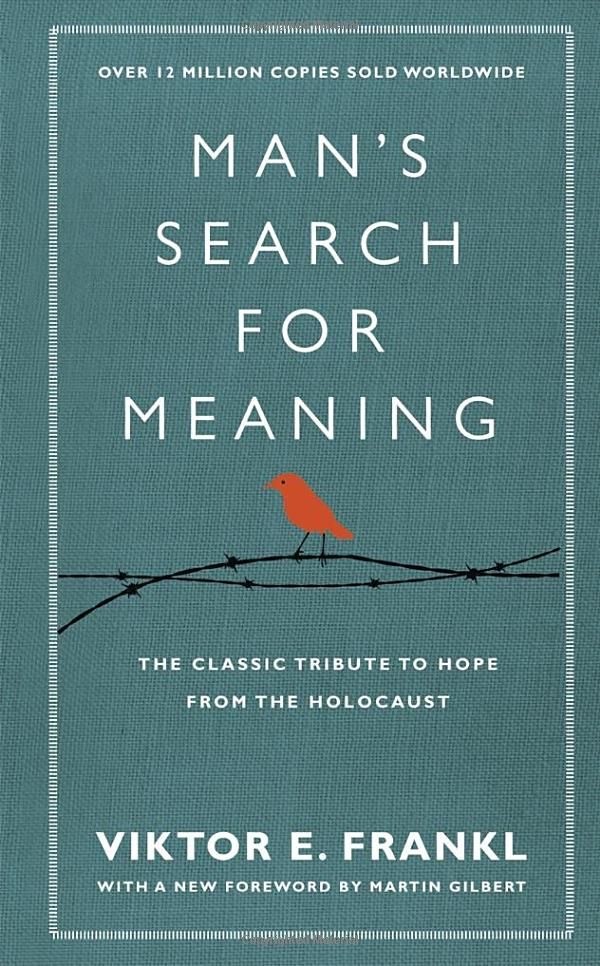
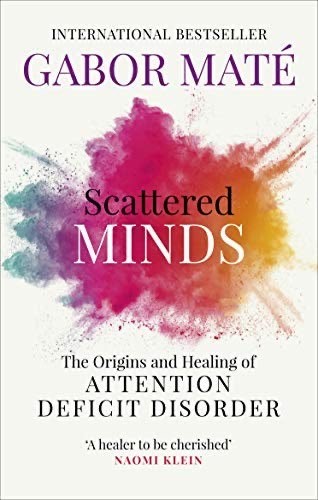
Recommended Reads




Sarvin Sabet
Sarvin Sabet
Psychological Services
Psychological Services
Get in Touch
📍 100 Matheson Blv East, #101 Mississauga, Ontario